Why Gutters Pull Away From Homes in Sumter County FL During Stormy Weather
If you have ever looked up after a hard Florida storm and noticed a section of gutter sagging, tilting, or separating from the fascia, you are not imagining things. In Sumter County, that problem shows up again and again, especially through the warm season when thunderstorms roll in fast, dump a lot of water, and test every weak point along a roofline.
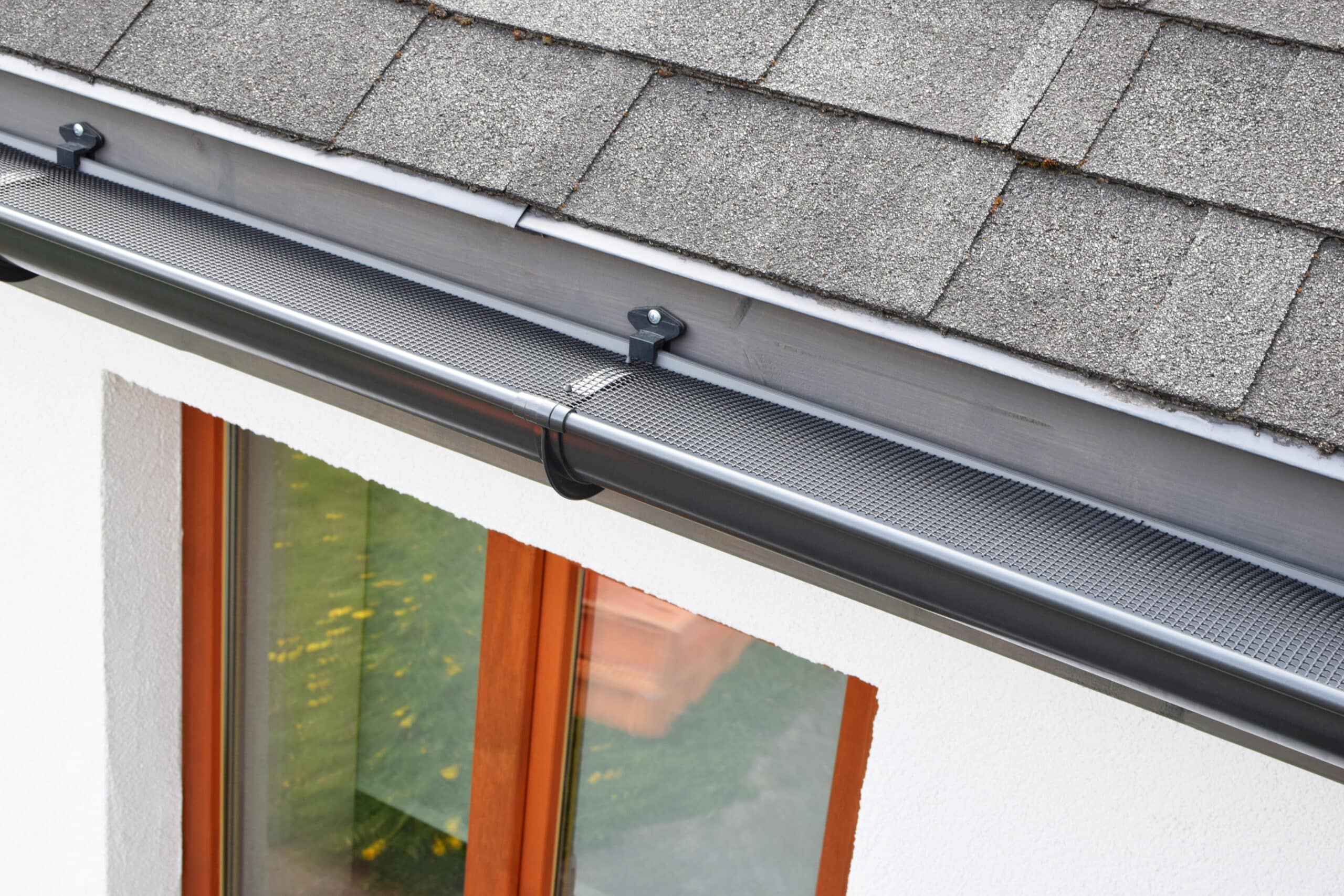
A gutter rarely pulls away for just one reason. Most of the time, it is a chain reaction. Water gets heavy. Debris slows the flow. Fasteners loosen. Wood stays damp. Wind adds movement. Then one storm becomes the storm that makes the issue visible.
Homeowners in places like The Villages and the surrounding parts of Central Florida often assume the gutter itself failed. Sometimes it did. But just as often, the gutter was doing its job under conditions it was never set up to handle. That distinction matters, because the right fix depends on why it pulled away in the first place.
Stormy weather in this part of Florida is hard on gutter systems
Central and North Florida deal with frequent warm season thunderstorms, high humidity, and a wet season pattern that can bring intense rainfall. Summer rain is often driven by sea breezes and tropical moisture, which means storms can build quickly and unload a surprising amount of water in a short stretch of time. Even without a named tropical system, regular afternoon and evening storms can put a lot of stress on roof drainage.
That matters because gutters are not just hanging trim. They are carrying moving water, and moving water gets heavy fast. A gutter that looks perfectly fine on a dry morning can be overwhelmed in a storm if it has a weak connection, poor pitch, trapped debris, or too much runoff hitting one area.
I have seen homeowners focus on the visible gap where the gutter pulled loose, when the real story started weeks earlier with leaf buildup, slow drainage, or a minor repair that never quite solved the underlying issue. In humid regions, small problems have a way of compounding. Materials stay wet longer. Organic debris stays packed and damp. Fasteners and surrounding wood can degrade gradually, then seem to fail all at once.
Water weight is usually the first part of the story
The easiest way to understand gutter separation is to picture what happens during a heavy storm. The gutter fills with water. If it is draining freely, that load passes through fairly quickly. If the outlet is slowed by debris, or if water overshoots one section and spills back unevenly, the load increases and lingers.
Rainwater is not light. A long stretch of gutter holding standing water carries far more weight than most homeowners expect. Add soggy leaves, pine needles, acorns, and small limbs, and the strain on hangers and fasteners climbs even higher. In Florida, common landscape debris can collect quickly. Live oak leaves and acorns are well known troublemakers, and pine needles are just as bad in their own way because they knit together and trap smaller material.
That packed debris changes more than weight. It also changes flow. Instead of water moving steadily toward downspouts, it pools behind the blockage. One section gets overloaded while another stays relatively empty. Over time, that uneven stress can pull the front edge down, twist the trough, or loosen the points where the gutter attaches to the home.
When a homeowner in an area like Leesburg calls for gutter cleaning Leesburg FL services after a storm, the visible complaint may be overflow. But when the crew gets on site, they often find a second issue hiding underneath, which is a gutter beginning to pull away because the weight problem has been there for a while.
Debris makes Florida gutters behave differently
If you live under heavy tree cover, your gutter system lives a harder life. This is especially true in neighborhoods with mature oaks and pines. The debris itself is not always dramatic. It is the slow accumulation that causes trouble.
Leaves can mat down tightly enough to trap water. Pine needles can bridge over outlets. Acorns and small twigs can collect at corners and downspout openings. Then a hard storm arrives, and instead of moving water out efficiently, the gutter acts more like a wet trough full of mulch.
There is another issue people overlook. Debris that stays wet against the fascia or behind the gutter can keep surrounding materials damp for too long. I am not going to pretend every loose gutter means serious structural damage, because that would overstate the case. But in real homes, repeated moisture exposure can weaken attachment points. Even if the gutter metal is still serviceable, the surface it is attached to may not be holding as firmly as it once did.
That is one reason routine gutter maintenance Florida homeowners schedule before and during storm season pays off. It is not only about keeping water from spilling over the edge onto walkways and planting beds. It is also about preserving the strength of the whole attachment system.
Fasteners and attachment points do not fail in dramatic ways at first
Most gutters do not rip off in one spectacular moment. They drift out of alignment. A fastener backs out slightly. A hanger takes on more load than the next one. A section starts to pitch the wrong way. The seam or corner begins to strain. By the time someone notices the problem from the ground, the movement has usually been happening for a while.
Stormy weather speeds that process up. During a heavy downpour, the gutter expands under load. Wind can push and rattle sections, especially on exposed roof edges. When that cycle repeats over and over through a Florida rainy season, small weaknesses become larger ones.
This is where the quality of the original install matters. A properly fitted system has a better chance of handling repeated storms than one that was poorly pitched or lightly supported from the beginning. That is one reason homeowners looking into seamless gutter installation Leesburg FL or seamless gutters Gainesville FL often choose seamless systems for replacements. Fewer joints can mean fewer leak points, and a well planned install can improve flow and support compared with an older pieced-together setup.
That said, seamless does not mean maintenance free. If debris is allowed to pack in, even a well installed seamless system can sag or pull away. Good installation helps, but it does not cancel out the realities of Florida weather.
Wind adds force in ways people do not always notice
Rain gets most of the blame, but wind matters too. During thunderstorms and tropical disturbances, gusts can shake branches loose and drive water sideways. That creates two separate stresses.
First, wind can physically jostle a gutter section, especially if part of it is already loose. Once movement begins, fasteners tend to loosen more quickly. Second, wind-driven debris increases the odds of a sudden clog at exactly the moment the gutter needs to move the most water.
I have seen cases where a homeowner described the gutter as “fine until that one storm.” After inspection, the better description was that the gutter had been marginal for months, then a windy downpour loaded it with water and debris at the same time. The storm did not create the weakness from nothing. It exposed it.
This is common in areas where people rely on appearance alone. From the ground, a gutter can look straight enough. From a ladder or roof edge, you may see subtle separation at the fascia, staining behind the run, or hangers that are no longer carrying the load evenly.
Humidity turns minor neglect into a larger repair
Florida humidity changes the pace of home maintenance. Materials dry more slowly. Organic debris breaks down differently. Areas behind clogged gutters can stay damp longer than they would in a drier climate.
That matters because persistent moisture can affect both the gutter system and the materials around it. Again, there is no need to exaggerate. Not every loose gutter means extensive deterioration. But when a gutter stays packed with wet debris, the odds of trouble go up. Metal hardware, surrounding trim, and attachment points all fare better when water moves through the system quickly instead of sitting in it.
That is why timely gutter cleaning and repair Ocala FL or similar service calls in nearby regions are often more cost effective than waiting for a full failure. A small correction to slope, support, or drainage may prevent a larger pull-away later.
Poor drainage design can show up only during severe weather
Some gutter problems are not visible until the weather gets rough. A system may handle light rain perfectly well, then struggle during a strong thunderstorm. Homeowners often take that as proof the storm was unusually bad. Sometimes it was. But sometimes the system was undersized for the roof section, poorly pitched, or short on outlet capacity.
Without inventing numbers or pretending every home has the same runoff profile, it is fair to say roof shape matters. A long valley or a broad roof plane can send a concentrated rush of water to one area. If the gutter in that area is even slightly compromised, the extra force can pull at brackets and spill water where it does not belong.
This is one reason a skilled gutter contractor Central Florida homeowners trust will inspect the whole drainage path, not just the loose section. If one area keeps taking the brunt of roof runoff, simply reattaching the gutter may not be enough. The pitch, support spacing, or drainage layout may need adjustment.
Why some repairs hold and others fail again
A quick reattachment can be appropriate in the right situation. If the gutter itself is sound, the fascia is in good condition, and the separation is minor, a targeted repair may solve it. This is often what people hope for when they call for gutter repair Gainesville FL or service in nearby communities.
But some gutters pull away again because the repair addressed the symptom, not the cause. Refastening a debris-choked gutter without correcting maintenance habits is asking for a repeat. Rehanging a section on weakened backing may buy time, but not much. Resetting pitch without improving blockage at the downspout only shifts where the water sits.
The best repair decisions come from a full look at three things: the condition of the gutter, the condition of the attachment surface, and the way water behaves during storms. Miss one of those, and the repair can disappoint.
Gutter guards can help, but only when matched to the site
Homeowners often ask whether guards would have prevented the pull-away. Sometimes yes, sometimes partly, sometimes not enough on their own.
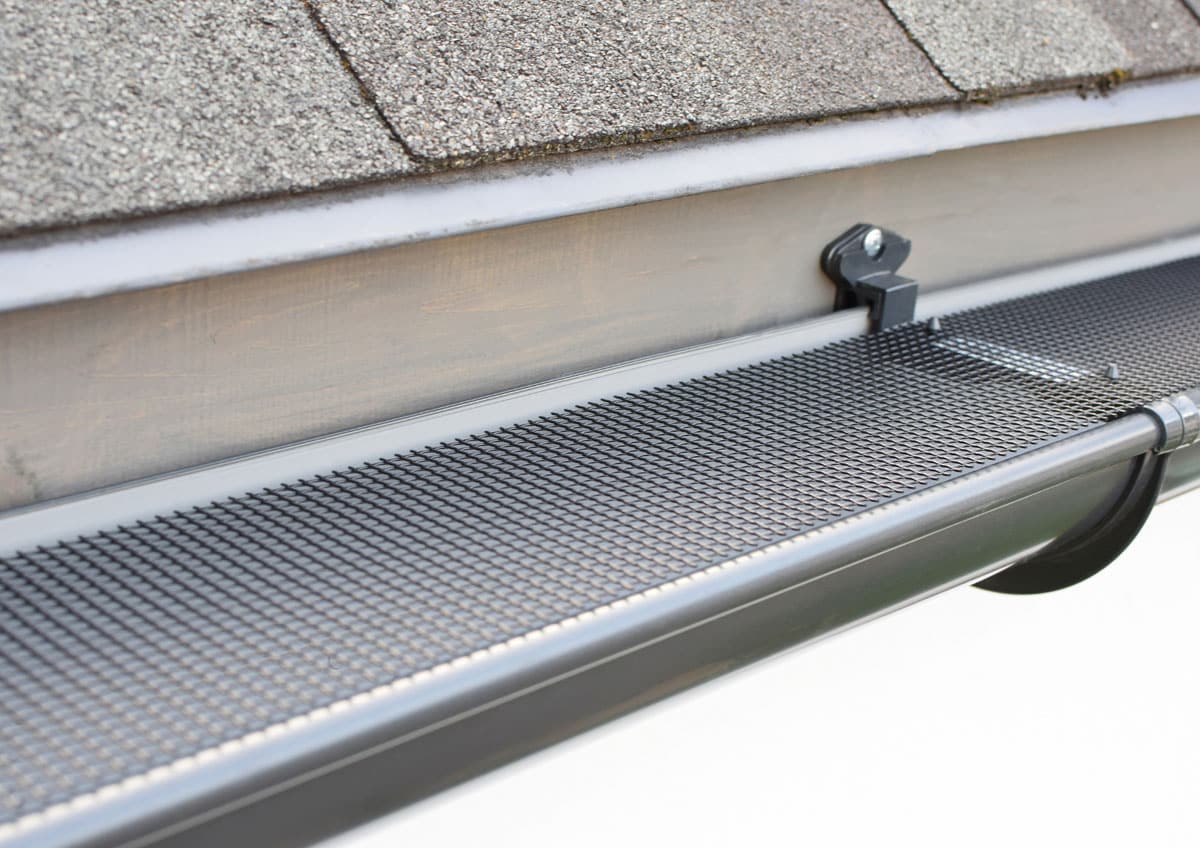
Gutter guards come in several common styles, including brush, foam insert, mesh screen, micro-mesh, PVC covers, and reverse-curve designs. Each style has strengths and see details trade-offs. The right fit depends on the kind of debris falling on the home and the intensity of local rain.
In tree-heavy Florida neighborhoods, the goal is usually to reduce clogging from leaves, pine needles, and small debris while keeping water entry reliable during hard storms. That is where thoughtful gutter guard installation Central Florida homeowners invest in can make a real difference. The key word is thoughtful. A guard system that works decently under one tree canopy may struggle under another.
For example, fine debris and heavy storm runoff can test lower quality guard setups. A homeowner searching for gutter guards Gainesville FL options should expect a real site-specific recommendation, not a one-size-fits-all pitch. Guards can reduce cleaning frequency and limit wet debris buildup, but they are not magic. They still need occasional inspection, especially after severe weather or during peak leaf drop.
Signs a gutter is close to pulling away
You do not have to wait until a section visibly sags to catch the problem. Several early warning signs tend to show up first.
- A gap appears between the gutter and fascia, even if it is small
- Water spills over the edge in one area during moderate rain
- The gutter looks uneven or slightly tilted from the ground
- Staining appears behind the gutter line or down the exterior wall
- You hear rattling or see movement during storms
Any one of those can have more than one cause, but together they often point to a system that needs attention before the next hard storm does more damage.
What a good inspection usually focuses on
A proper field inspection is rarely complicated, but it should be methodical. The goal is not just to confirm that the gutter is loose. It is to understand why.
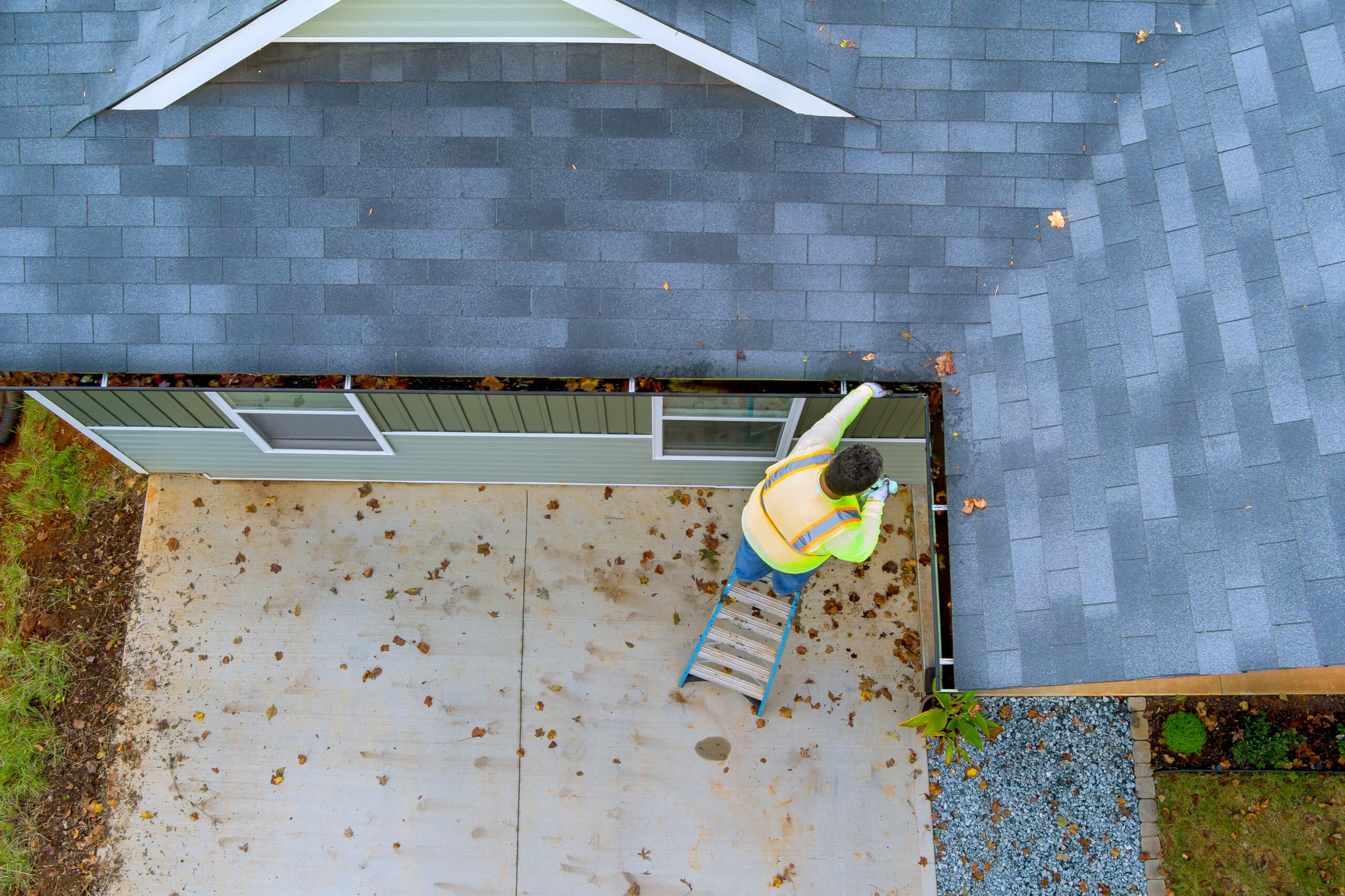
A technician evaluating gutters The Villages FL homes or other Sumter County properties will usually pay close attention to debris load, standing water, visible slope issues, attachment security, and whether runoff appears concentrated in one area. They should also look at how the system connects to downspouts and whether overflow marks suggest repeated blockage.
When homeowners tell me, “It only leaks in really bad rain,” that is useful information. It often points toward capacity or flow issues rather than a simple pinhole or isolated seam problem. If they say, “This corner always fills with oak leaves,” that is just as valuable. Repeated trouble in the same spot tells you where storm stress is building.
When replacement makes more sense than patching
Not every pulled-away gutter should be repaired indefinitely. Sometimes the smarter move is replacement, especially when the system has several weak sections, recurring clogs, aging seams, or visible distortion.
Seamless replacement often makes sense when the existing gutter has too many joints or recurring leak points. For homeowners comparing gutter installation North Florida or Central Florida options, the value is often in simpler water flow and fewer seam-related problem spots. Installation quality still matters more than buzzwords, but seamless systems can be a practical upgrade.
There is also the question of future maintenance. If a home sits under oaks and pines and already struggles with buildup, pairing replacement with an appropriate guard strategy may provide a better long-term outcome than reinstalling the same vulnerable setup.
Practical ways to reduce the chances of another pull-away
The most reliable prevention plan is not glamorous. It is regular observation, timely cleaning, and repairs before storm season amplifies small defects.
- Have gutters checked and cleared before debris buildup gets dense and waterlogged
- Pay attention to overflow, stains, and slight sagging after storms
- Address minor looseness early instead of waiting for visible separation
- Consider guards where tree debris repeatedly clogs the system
- Replace failing sections when repairs no longer solve the root problem
That simple approach beats reactive repair almost every time, especially in Florida’s wet, humid climate.
Why local experience matters
A gutter system in an arid climate and a gutter system in Sumter County do not age the same way. Here, the combination of repeated thunderstorms, high humidity, and tree debris creates a very specific kind of wear pattern. You want someone evaluating the problem who understands how quickly pine needles can choke a valley outlet, how live oak debris behaves when wet, and how warm-season storms expose poor drainage design.
That local perspective is one reason homeowners often look for a gutter contractor Central Florida residents know is already familiar with regional conditions. It is not just about putting gutters back up. It is about recognizing why they came down, or nearly did, in the first place.
A house near Leesburg may deal with debris and rainfall stress differently than a property near Gainesville or Ocala, simply because tree cover, roof layout, and maintenance history vary. But the broad pattern is the same across this part of the state. Strong rains test drainage. Debris blocks flow. Humidity slows drying. Weak points reveal themselves.
When a gutter pulls away during stormy weather, the visible failure is only the final chapter. The real fix starts by reading everything that led up to it. If you understand that chain, you can usually stop the next storm from doing the same thing again.
Larry's Gutters
Leesburg location
1720 Leesburg Commons Ct, Suite 2
Leesburg, FL 34748
Phone: (352) 460-0450
Gainesville location
1024 S Main St, Bldg B
Gainesville, FL 32601
Phone: (352) 460-0450
Website: https://larrysgutters.com